Workplace safety has become one of the most critical priorities for organizations across the world. In high-risk industries such as construction, manufacturing, oil & gas, logistics, and healthcare, even a small oversight can lead to serious injuries, financial loss, or legal consequences.
This is where a Safety Officer plays a crucial role. A Safety Officer is not just a compliance checker but a proactive professional who ensures that every worker returns home safely at the end of the day.
Their job involves identifying risks before they become accidents, training employees on safe practices, enforcing regulations, and building a strong safety culture within the organization. These tasks clearly highlight the roles and responsibilities of a safety officer in maintaining a secure work environment.
In this guide, we will explore in detail the roles, responsibilities, skills, tools, and importance of a Safety Officer, along with how they contribute to building safer workplaces in 2026 and beyond.
Who is a Safety Officer?
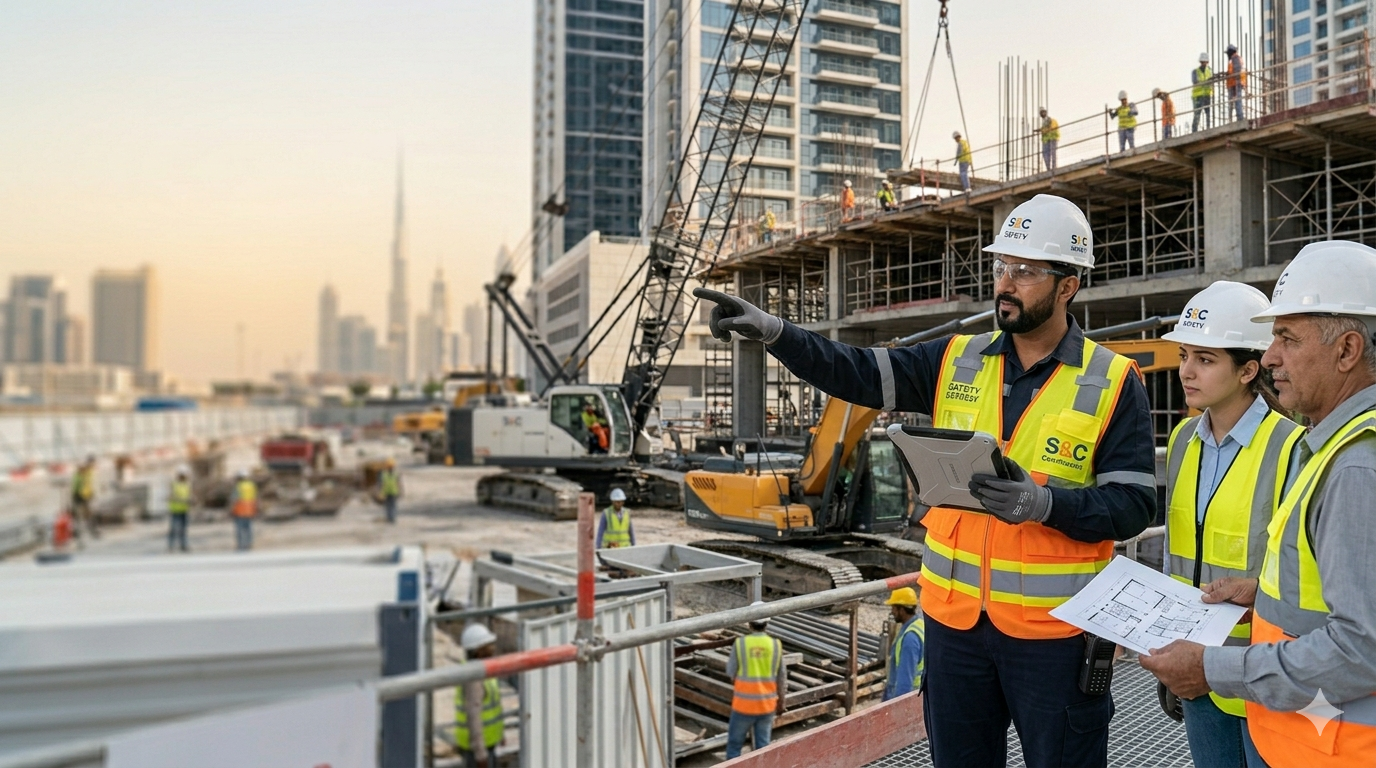
A Safety Officer is a trained health and safety professional responsible for ensuring that workplace activities are carried out in a safe and compliant manner. They act as the guardian of workplace safety, making sure that all operations follow legal, organizational, and industry safety standards.
Their role is both preventive and corrective. On one hand, they work to prevent accidents by identifying risks early. On the other hand, they respond to incidents by investigating causes and ensuring they do not happen again.
A Safety Officer also acts as a communicator between management and workers, translating safety rules into practical, easy-to-follow actions.
They are commonly employed in industries where physical risks are high, including construction sites, factories, oil rigs, warehouses, and hospitals.
Why Safety Officers Are Critical in the Workplace?
Safety Officers are essential because they directly influence both human safety and organizational performance.
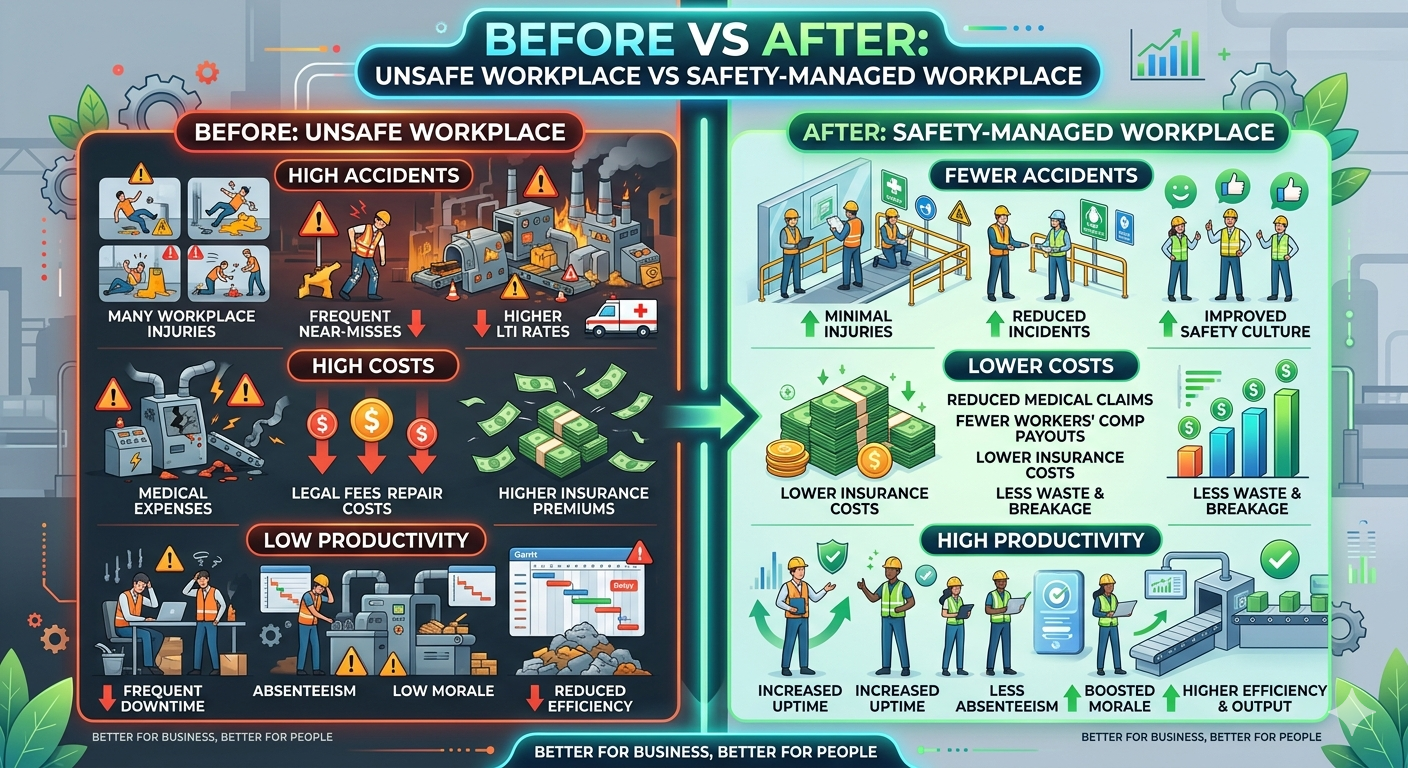
Without proper safety management, workplaces face increased risks of accidents, equipment damage, legal penalties, and reputational harm. A Safety Officer helps prevent these issues by creating structured safety systems.
They also improve employee confidence. When workers know that safety is a priority, they perform better, feel more secure, and are more productive.
In addition, companies benefit financially. Fewer accidents mean lower medical costs, reduced downtime, and fewer compensation claims. This makes Safety Officers not just a compliance requirement but a strategic business asset.
Key Roles of a Safety Officer
Risk Assessment and Hazard Identification
One of the most important responsibilities of a Safety Officer is identifying hazards in the workplace before they cause harm.
This involves inspecting equipment, reviewing work processes, analyzing past incidents, and observing worker behavior. The goal is to detect anything that could potentially lead to injury or damage.
Once hazards are identified, the Safety Officer evaluates the level of risk and prioritizes them based on severity. They then recommend control measures such as engineering solutions, administrative changes, or additional protective equipment.
This proactive approach helps prevent accidents rather than reacting to them after they occur.
Development of Safety Policies and Procedures
Safety Officers are responsible for creating and maintaining workplace safety policies. These policies serve as guidelines that define how work should be performed safely.
They ensure that policies align with local laws, international safety standards, and industry best practices. This includes procedures for handling hazardous materials, operating machinery, and responding to emergencies.
These policies are continuously reviewed and updated based on new risks, incidents, or regulatory changes.
Clear and well-structured safety policies help ensure consistency in safe work practices across the organization.
Safety Training and Awareness Programs
Training is a core responsibility of a Safety Officer. Even the best safety systems fail if employees are not properly trained.
Safety Officers conduct onboarding sessions for new employees, refresher training programs, and emergency response drills such as fire evacuations or first aid procedures.
They also educate workers on proper use of personal protective equipment (PPE) and how to identify hazards in their daily tasks.
The goal is to create awareness so that every employee becomes responsible for safety, not just management.
Workplace Monitoring and Inspections
Continuous monitoring is essential for maintaining safety standards. Safety Officers regularly inspect the workplace to ensure compliance.
They check machinery condition, housekeeping standards, fire safety equipment, emergency exits, and proper use of PPE.
They also observe worker behavior to identify unsafe practices and correct them immediately.
These inspections are documented in reports that help management understand safety performance over time.
Detailed Responsibilities of a Safety Officer
Beyond core roles, Safety Officers have several detailed responsibilities that support overall safety management.
They conduct regular safety audits to evaluate whether workplace practices meet required standards. They also investigate accidents and near-miss incidents to determine root causes and prevent recurrence.
Maintaining accurate documentation is another key responsibility. This includes incident reports, inspection logs, training records, and compliance documents.
Safety Officers also play a major role in emergency preparedness by designing evacuation plans and coordinating drills.
Additionally, they continuously recommend improvements to enhance safety systems and reduce risks.
Daily Duties of a Safety Officer
A Safety Officer’s daily routine is dynamic and hands-on.
They typically start the day with site inspections, ensuring that all safety measures are in place before work begins. They conduct “toolbox talks,” which are short safety briefings to discuss daily risks.
Throughout the day, they monitor work activities, respond to safety concerns, and ensure that PPE is used correctly.
They also communicate with supervisors and management to report issues and recommend corrective actions.
These daily tasks ensure that safety is consistently maintained rather than treated as a one-time activity.
Skills Required for a Safety Officer
A successful Safety Officer must have a combination of technical knowledge and interpersonal skills.
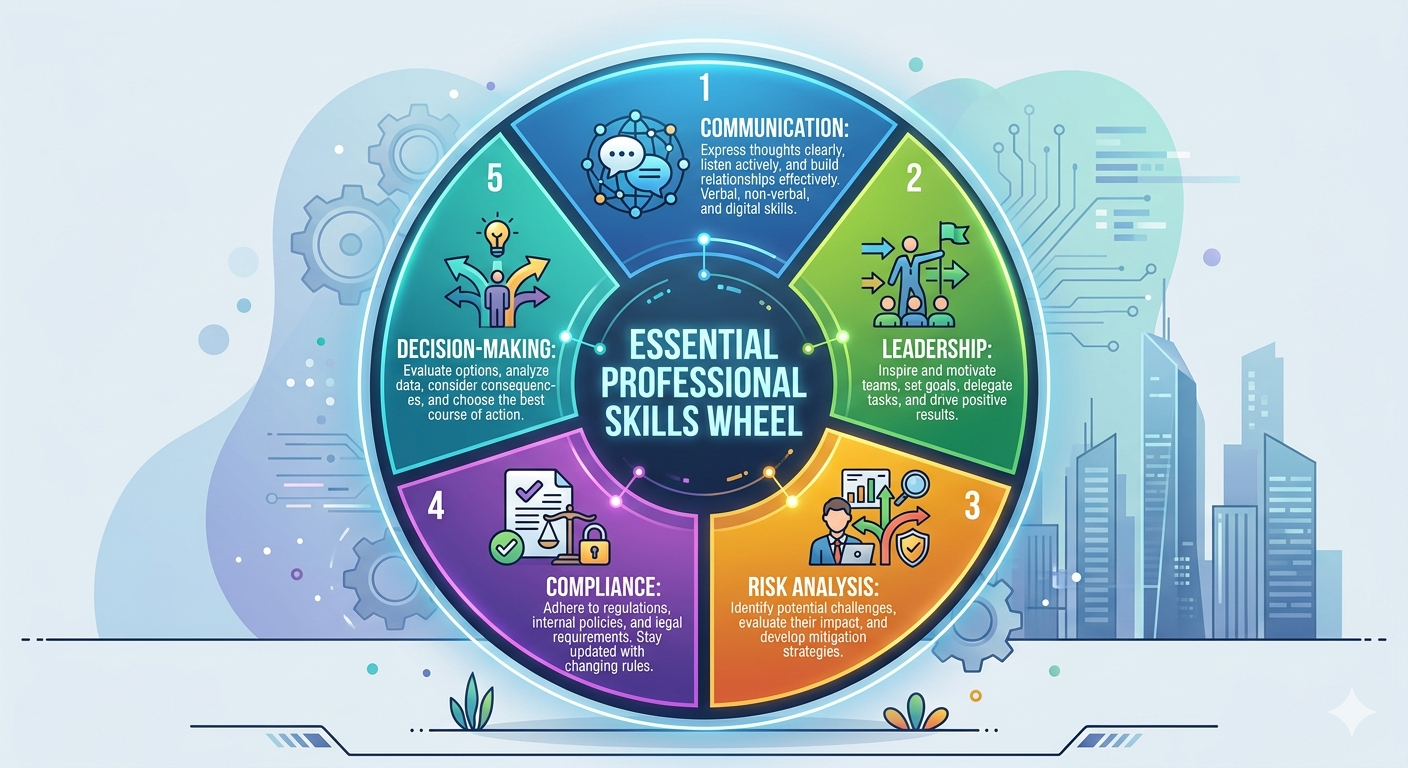
Attention to detail is essential because even small oversights can lead to serious accidents. Strong communication skills are also critical, as Safety Officers must explain rules clearly to workers at all levels.
Problem-solving ability helps them respond effectively to unexpected situations. Leadership skills enable them to influence behavior and enforce safety rules.
Finally, a strong understanding of safety regulations ensures compliance with legal and industry standards.
Qualifications and Certifications
Certifications such as NEBOSH, OSHA, IOSH, and ISO-related certifications are widely recognized and often required by employers. These certifications provide in-depth knowledge of risk management, safety laws, and accident prevention techniques.
In particular, ISO standards such as ISO 45001 (Occupational Health and Safety Management Systems) play a key role in helping Safety Officers understand how to implement, maintain, and continuously improve workplace safety systems in line with international best practices.
These qualifications ensure that Safety Officers are well-prepared to handle complex safety challenges.
Tools and Equipment Used by Safety Officers
Safety Officers rely on various tools to perform their duties effectively.
Personal Protective Equipment (PPE) such as helmets, gloves, goggles, and boots is essential for site inspections.
They also use monitoring devices like gas detectors, noise level meters, and thermal scanners to detect hazards.
Digital tools and safety management software help them track incidents, generate reports, and manage compliance efficiently.
Challenges Faced by Safety Officers
Despite their importance, Safety Officers face several challenges.
One common issue is resistance from workers who may ignore safety rules due to time pressure or lack of awareness.
They also have to constantly keep up with changing regulations and evolving safety standards.
Handling emergencies such as accidents or hazardous leaks requires quick thinking and calm decision-making.
Another challenge is balancing productivity demands with strict safety requirements, especially in fast-paced industries.
Benefits of Hiring a Safety Officer
Organizations that employ Safety Officers experience significant long-term benefits.
Workplace accidents are greatly reduced, leading to fewer injuries and lower insurance costs. Legal compliance is ensured, reducing the risk of fines or shutdowns.
A strong safety culture improves employee morale, retention, and productivity.
Overall, Safety Officers contribute directly to operational efficiency and business sustainability.
Industry-Specific Roles
The roles and responsibilities of Safety Officer vary depending on the industry.
In construction, they focus on site safety, scaffolding inspections, and equipment handling. In oil & gas, they manage high-risk operations and emergency preparedness.
In manufacturing, they ensure machine safety and workflow efficiency. In healthcare, they focus on hygiene, infection control, and patient safety protocols.
Each industry requires specialized knowledge and tailored safety strategies.
Also read: Why Companies in UAE Need ISO 45001 Certified Professionals?
Conclusion
A Safety Officer ensures a safe and compliant workplace by identifying risks, enforcing safety rules, and promoting awareness. The roles and responsibilities of a safety officer include conducting inspections, providing training, preventing accidents, and protecting employees’ health and safety.